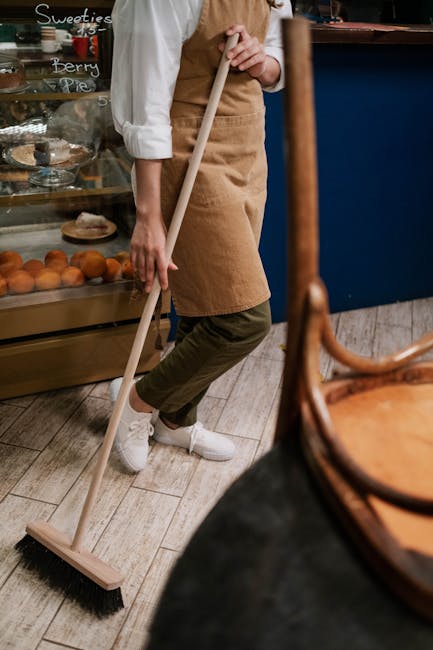
Commercial Cleaning for Shops and Cafes South Ealing
If you run a shop or cafe in South Ealing, you already know the small things matter. A streak on the front window, a sticky counter near the till, crumbs under the display stand, or a bin area that's a bit too noticeable can quietly shape how people feel about your business. Commercial Cleaning for Shops and Cafes South Ealing is about more than looking tidy. It's about keeping your space welcoming, safe, efficient, and ready for the steady rhythm of customers, staff, deliveries, and the occasional busy lunch rush.
Truth be told, retail and hospitality spaces get dirty in a different way from homes or offices. Footfall is higher, standards are more visible, and there's often less room to "leave it until later". This guide explains how shop and cafe cleaning works, what to expect from a reliable service, and how to choose cleaning support that actually fits the pace of trading in South Ealing.
Table of Contents
- Why Commercial Cleaning for Shops and Cafes South Ealing Matters
- How Commercial Cleaning for Shops and Cafes South Ealing Works
- Key Benefits and Practical Advantages
- Who This Is For and When It Makes Sense
- Step-by-Step Guidance
- Expert Tips for Better Results
- Common Mistakes to Avoid
- Tools, Resources and Recommendations
- Law, Compliance, Standards, or Best Practice
- Options, Methods, or Comparison Table
- Case Study or Real-World Example
- Practical Checklist
- Conclusion
- Frequently Asked Questions
Why Commercial Cleaning for Shops and Cafes South Ealing Matters
For a shop or cafe, cleanliness is never just cosmetic. Customers notice it before they notice your signage, your menu board, or your offers. They clock the smell, the shine of the floor, whether the tables look properly wiped, and whether the entrance feels cared for. In a busy place like South Ealing, where people often pop in on the way to work, school runs, or a quick coffee stop, first impressions can decide whether they stay five minutes or come back next week.
There's also the simple reality of daily wear. Shops pick up fingerprints on glass, dust around shelving, packaging debris, and a constant trail of foot traffic. Cafes bring their own challenges: milk spills, food crumbs, grease near prep surfaces, wet floors by the entrance on rainy mornings, and overflowing bins if service gets hectic. One missed area can quickly become a pattern. And let's face it, nobody wants the room to smell faintly of yesterday's coffee by 10am.
Good commercial cleaning helps protect both customer confidence and staff morale. A clean workspace tends to feel calmer, and calmer spaces usually work better. Staff spend less time firefighting little messes, and more time doing the job properly. That matters in retail and hospitality, where pace is everything.
It also supports longer-term maintenance. Dirt left to build up can mark floors, dull surfaces, block drains, stain upholstery, and shorten the life of fixtures. A regular cleaning routine is often far cheaper than dealing with avoidable damage later. No drama, just common sense.
How Commercial Cleaning for Shops and Cafes South Ealing Works
Commercial cleaning for shops and cafes usually starts with a walkthrough or an initial discussion. A good cleaner will want to understand your layout, trading hours, customer flow, and the areas that matter most. A small cafe with a compact prep space has very different needs from a high-street shop with changing rooms, display shelving, and a back stockroom. The plan should reflect that.
From there, the cleaning schedule is usually built around practical priorities. Most businesses need a mix of daily touch-point cleaning and deeper periodic tasks. Touch-point cleaning covers the obvious high-contact areas: door handles, card machines, counters, tables, taps, switches, and toilet fixtures if you have customer washrooms. Deep cleaning goes further. That might include skirting boards, floor edges, high shelves, behind equipment, or detailed kitchen and cafe hygiene work where applicable.
Timing matters too. Some businesses need early-morning cleaning before opening. Others prefer late evening after closing. A few need split visits, especially if the site is busy all day. In our experience, the best arrangements are the ones that feel invisible to customers. The cleaners come in, do the work properly, and the space opens up feeling fresh rather than disrupted.
There's also a difference between general cleaning and specialist tasks. For example, a cafe might need upholstery cleaning for seating areas, hard floor cleaning at the entrance, or window cleaning to keep the front bright and inviting. A shop may need commercial carpet cleaning in fitting rooms or back offices, or one-off deep cleaning before a launch or seasonal changeover. A practical provider should be able to adjust, not force everything into one rigid box.
If you want to understand the broader service picture, it can help to look at the wider commercial cleaning approach and then narrow it down to the exact routine your premises needs. That tends to produce a much better fit than guessing from a generic checklist.
Key Benefits and Practical Advantages
The main benefit is obvious: a cleaner, more professional space. But the real advantages go a little deeper than that.
- Better customer perception: Clean counters, polished glass, and tidy floors signal care. Customers often read that as quality, even if they don't say it out loud.
- Improved hygiene: Regular removal of spills, dust, and food residue reduces the chance of unpleasant odours and visible build-up.
- Fewer missed sales: A pleasant environment makes people more likely to stay longer, browse longer, and make a purchase.
- Staff support: Clean work areas are easier to manage and can reduce the stress of trying to clean while serving customers.
- Reduced wear and tear: Routine maintenance helps protect flooring, upholstery, glass, and fixtures from avoidable damage.
- More predictable trading: When cleaning is scheduled properly, there's less last-minute panic before opening or after closing.
There's a subtler advantage as well: confidence. When a customer walks into a cafe and everything looks cared for, they relax. When a shop feels clean and orderly, people browse more comfortably. That may sound soft, but in customer-facing spaces it's very real.
For cafes especially, cleanliness can support food safety practices and help staff maintain a higher standard without chaos in the background. For shops, especially those with fitting rooms or heavy stock movement, a tidy front of house makes the whole operation feel more controlled. Small thing, big effect.
Who This Is For and When It Makes Sense
This kind of cleaning is a strong fit for independent shops, cafes, bakeries, coffee bars, deli counters, gift shops, convenience stores, and small hospitality venues across South Ealing. It's also useful for premises with customer toilets, food handling areas, display space, or a mix of front-of-house and back-of-house activity.
You'll usually benefit most if any of these sound familiar:
- Your team is too busy to keep up with detailed cleaning during service.
- The shop floor looks fine at opening but tired by mid-afternoon.
- You need a cleaner, more professional look for customer-facing areas.
- There are stains, odours, or floor build-up that regular wiping is not fixing.
- You want a reliable routine rather than sporadic, reactive cleaning.
- You've got seasonal peaks, event days, or weekend rushes that create extra mess.
If you only need a one-off reset, that can still make sense. A deep clean before a relaunch, after a refit, or at the start of a busy period can give the premises a proper fresh start. If you're trading every day, regular cleaning is usually the more sustainable option. To be fair, trying to "keep on top of it later" often becomes a messy little lie we tell ourselves. Later tends to arrive with extra dust.
It can also make sense for businesses that are growing quickly. A shop or cafe that started with one owner doing everything often reaches a point where cleaning becomes a weak spot. That's not a failure. It's just what happens when trading picks up.
Step-by-Step Guidance
If you're planning cleaning support for a shop or cafe in South Ealing, a structured approach works best. Here's a practical way to think it through.
- Walk the space with fresh eyes. Look at the shop or cafe as a customer would. What do they see first? What do they touch? Where do spills collect?
- Separate daily tasks from periodic tasks. Wiping tables may happen every day, while deep floor care or high-level dusting may only be needed weekly or monthly.
- Identify the high-risk areas. Entrance mats, tills, toilets, counters, food prep zones, bins, and wash areas usually need the most consistent attention.
- Set realistic timing. Choose cleaning times that fit your trading pattern. A service that clashes with opening hours will become a nuisance very quickly.
- Agree clear outcomes. Instead of vague instructions, specify what "clean" means for your site. For example: glass free from smears, floors vacuumed and mopped, bins emptied, counters sanitised, and toilet areas checked.
- Build in review points. A good routine is not "set and forget". Check after the first few visits, then adjust if needed.
A useful habit is to separate what must be done by your team during the day from what is better handed to a professional service. Staff should not be stretching themselves thin trying to scrub floors while customers are waiting for service. That way madness lies.
If you want the cleaning plan to cover wider business support, some owners also pair it with periodic services like one-off cleaning for resets, or deep cleaning when a more thorough top-to-bottom result is needed. The key is using the right level of service for the actual problem, not just the nearest label.
Expert Tips for Better Results
Over time, the best results usually come from small systems rather than heroic effort. Here are a few practical tips that genuinely help.
- Clean from top to bottom. If dust falls, don't mop first and then dust. That just creates work twice.
- Use the right cloths for the right surfaces. Microfibre cloths, colour-coded cloths, and separate tools for washrooms and food areas help avoid cross-contamination.
- Focus on touch points. Handles, card readers, taps, fridge doors, light switches, and counter edges gather grime fast.
- Don't ignore entry points. A clean doorway and front window shape the whole customer experience before they even step in.
- Rotate deeper tasks. Things like skirting boards, behind counters, shelving edges, and high-level dusting are easy to forget unless they're scheduled.
- Make it easy to report issues. Staff should know how to flag a spill, stain, or missed area quickly.
Small habits matter more than people think. A five-minute end-of-day reset can save you half an hour the next morning. And yes, sometimes it feels a bit pointless when everyone wants to go home. But future-you will thank current-you. Usually.
For premises with visible flooring, consider whether hard floor cleaning or commercial carpet cleaning would make a noticeable difference to presentation. Floors are one of the first places customers subconsciously judge, especially in narrow shopfronts or compact cafes where everything is in plain view.
Common Mistakes to Avoid
Some cleaning problems repeat again and again in retail and cafe settings. They're easy to recognise once you've seen them a few times.
- Only cleaning what customers can see: Back rooms, bins, storage shelves, and staff areas still affect how the whole site functions.
- Using one routine for every day: A Monday morning reset and a Saturday lunch rush are not the same thing. The plan should flex.
- Ignoring odour sources: A room can look tidy and still feel unpleasant if bins, drains, upholstery, or kitchen edges are neglected.
- Skipping spot treatment: Coffee splashes, food marks, and tracked-in dirt become more stubborn if left alone.
- Overloading staff with cleaning tasks: If the team is always cleaning in a rush, service quality can suffer.
- Forgetting the exterior touchpoints: Windows, entrances, and pavement-facing glass matter in South Ealing where people judge the space before they enter.
One of the more common oversights is underestimating how quickly a "small" issue spreads. A damp mat, a smudged window, or a sticky counter doesn't sound dramatic. Then suddenly the whole place feels a bit off. That's the thing with retail and hospitality: tiny details carry a lot of weight.
Tools, Resources and Recommendations
The right tools make cleaning faster, safer, and more consistent. You do not need a mountain of equipment, but you do need the basics to be well matched to the environment.
For most shops and cafes, a sensible setup includes:
- microfibre cloths for general wiping and polishing
- dedicated cloths for washrooms and food-prep areas
- commercial vacuum cleaners for dust and debris control
- mops and buckets suited to the floor type
- glass cleaning tools for front windows and internal partitions
- sanitising products used according to instructions
- spill kits for quick response to accidents
- bin liners, liners for waste points, and storage for cleaning supplies
For more specific needs, you might need specialist support. Upholstered seating may benefit from upholstery cleaning, display carpets may need carpet cleaning, and heavier residue in food-facing areas may call for oven cleaning if your cafe uses ovens or hot equipment. It depends on the site, naturally.
A practical recommendation: keep cleaning products organised by zone. Front-of-house, washroom, and food-prep tools should not be mixed casually. That simple habit can save a lot of confusion and helps support better hygiene control. If your business also wants to reduce waste and manage disposables more carefully, a sustainability-minded routine can help; recycling and sustainability practices are often easier to maintain when they are built into the cleaning plan rather than added later as an afterthought.
Law, Compliance, Standards, or Best Practice
Cleaning for shops and cafes touches on health, safety, and hygiene, so it should be treated seriously. You do not need to turn the place into a laboratory, but you do need a sensible, documented approach. In the UK, businesses are generally expected to manage risks properly, keep premises reasonably safe, and maintain standards that support staff and customer welfare.
Best practice usually includes clear cleaning schedules, safe storage of chemicals, staff awareness of slip risks, and regular attention to high-touch and food-adjacent areas. Where food is handled, cleanliness becomes even more important. Surfaces, tools, and waste handling should be managed carefully and consistently. If washrooms are available to the public, they also need particular attention because customers are quick to notice any lapse there.
It is also wise to keep on top of fire exits, access routes, and trip hazards. Cleaning should never block escape routes, even briefly. A bucket in the wrong place at the wrong time can cause a problem that is entirely avoidable. Small, boring detail? Yes. Still matters.
Insurance and risk management matter too. If you employ external cleaners, you may want reassurance around liability, safe working practices, and how issues are handled if something goes wrong. For that reason, many businesses like to review a provider's insurance and safety arrangements before getting started. It is one of those unglamorous checks that saves headaches later.
Policies can help as well. A straightforward health and safety policy gives structure to how cleaning tasks are carried out, while clear terms and conditions can help everyone understand scope, timing, and responsibilities. Not thrilling reading, granted, but genuinely useful.
Options, Methods, or Comparison Table
Different shops and cafes need different cleaning models. The right choice depends on opening hours, footfall, layout, and how much mess the business generates during a normal day.
| Option | Best for | What it usually covers | Strengths | Limitations |
|---|---|---|---|---|
| Daily routine cleaning | Busy shops and cafes | Floors, counters, touchpoints, bins, visible surfaces | Keeps the space presentable every day | May not tackle deep build-up |
| Periodic deep cleaning | Sites with stubborn grime or seasonal spikes | Detailed cleans, hidden areas, heavier soil removal | Resets the premises properly | Not enough on its own for daily trading |
| One-off specialist clean | Refits, events, launches, post-issue recovery | Targeted clean based on a specific problem | Fast response for a clear need | Not a substitute for routine maintenance |
| Combined retail and hospitality plan | Shops with cafe seating or mixed-use premises | Front-of-house, washrooms, prep areas, floors, glass | Flexible and tailored | Needs clearer scheduling and oversight |
If you are not sure which route fits, a combined approach is often the smartest. A regular service handles the day-to-day, while deeper cleans are booked when needed. That way you avoid either under-cleaning or paying for more than you really use.
For sites that see mixed traffic or have especially demanding flooring, pairing general cleaning with window cleaning and communal area cleaning can also help keep shared entrances and customer-facing zones consistently presentable.
Case Study or Real-World Example
Here's a simple real-world style example. Imagine a small cafe near a busy South Ealing street. Mornings are calm, then by late morning the tables fill up with commuters, parents, and people working nearby. By lunchtime, there are crumbs under the chairs, splash marks near the coffee machine, and a faint build-up of moisture at the entrance because of wet shoes coming in and out.
At first, the owner tries to handle everything with a quick end-of-day wipe-down. It works for a while. Then it doesn't. The floor starts looking dull in the busiest patch, the front window loses its shine, and staff begin spending time cleaning during service instead of serving. Not ideal.
A better arrangement is to split the cleaning into layers. The team does a small reset during the day: tables, counters, spills, and bins. Then a professional cleaner comes in after close to handle floors, glass, washrooms, and the areas staff tend to miss when they are exhausted. Every few weeks, a deeper clean catches the tucked-away dirt that quietly accumulates behind units and along edges.
The result is not dramatic in a flashy way. It is calmer than that. The room feels fresher each morning, opening is quicker, and the cafe no longer spends energy fighting the same mess over and over. That kind of improvement often looks small from the outside, but inside the business it changes the day.
Practical Checklist
Use this as a simple working checklist when arranging commercial cleaning for your shop or cafe.
- Identify your busiest customer areas.
- List the surfaces people touch most often.
- Separate daily, weekly, and monthly cleaning tasks.
- Check whether windows, floors, upholstery, or carpets need specialist care.
- Choose cleaning times that avoid customer disruption.
- Confirm who handles spill response during opening hours.
- Make sure waste and bin routines are clear.
- Review safety, insurance, and access arrangements.
- Set expectations for visible standards, not just vague "general cleaning".
- Review the plan after the first few visits and tweak it if needed.
Key takeaway: the best cleaning plan is the one that fits your actual trading pattern, not the one that sounds neat on paper. Small cafe? Busy shop floor? Mixed-use premises? They all need slightly different rhythms. Once that rhythm is right, everything else feels easier.
Conclusion
Commercial Cleaning for Shops and Cafes South Ealing is really about protecting the experience your customers have the moment they step through the door. A clean shop feels trustworthy. A clean cafe feels welcoming. A well-run cleaning routine makes the whole business smoother, calmer, and easier to maintain day after day.
Whether you need regular upkeep, a deep refresh, or a more tailored plan for customer-facing areas, the important thing is to match the service to the way your business actually operates. Keep it practical. Keep it consistent. And do not underestimate the power of small details done well.
Get a free quote today and see how much you can save.
If you are comparing options or planning your next step, you can also review the company's pricing and quotes information or learn more about us before making a decision. A quick conversation now can save a lot of guesswork later, and that's usually time well spent.
Frequently Asked Questions
What does commercial cleaning for shops and cafes actually include?
It usually includes floors, counters, tables, bins, glass, touchpoints, washrooms, and other customer-facing areas. Depending on the premises, it may also include deeper tasks such as upholstery, carpets, high dusting, and specialist floor care.
How often should a shop or cafe in South Ealing be cleaned?
That depends on footfall, opening hours, and how quickly the space gets messy. Many busy sites benefit from daily cleaning, with deeper tasks scheduled weekly or monthly. Cafes and food-adjacent spaces often need more frequent attention than low-footfall retail units.
Is a deep clean enough on its own?
Usually not. A deep clean is helpful for resetting the space, but day-to-day upkeep is still needed. The best results normally come from combining regular maintenance with periodic deeper cleaning.
Can cleaning be done outside business hours?
Yes, and often that is the simplest option. Early mornings or evenings can reduce disruption and make it easier to clean floors, counters, and customer areas thoroughly before trading starts or after it ends.
What areas do customers notice first?
Front windows, entrances, floors, counters, tables, and visible bins are often noticed straight away. Smell also matters more than people realise. A space can look fine and still feel unwelcoming if it smells stale or greasy.
Do cafes need different cleaning from shops?
Usually yes. Cafes often need more attention to hygiene, food-adjacent surfaces, seating areas, and odour control. Shops may focus more on presentation, floors, changing rooms, and display areas. Some premises need both.
How do I choose the right cleaning service?
Look for a service that understands your type of premises, can work around your trading hours, and is clear about what is included. It helps if they can adapt the plan rather than offering one rigid checklist for everything.
What should I do about spills during opening hours?
Spills should be dealt with quickly and safely. Staff need to know who is responsible, where the spill kit is kept, and how to cordon off the area if the floor is slippery. A fast response prevents accidents and stops the mess spreading.
Will regular cleaning help my floors last longer?
In many cases, yes. Dirt, grit, and repeated spills can wear down surfaces over time. Proper maintenance helps reduce that build-up and keeps floors looking presentable for longer.
Are there safety issues I should think about?
Absolutely. Wet floors, cleaning chemicals, blocked exits, and poorly stored equipment can all create avoidable risks. A sensible plan should cover safe methods, clear storage, and good communication with staff.
Can you combine shop cleaning with cafe seating areas?
Yes. Mixed-use premises often benefit from a joined-up approach. That might mean front-of-house cleaning, seating area care, window cleaning, floor cleaning, and periodic deeper work all under one plan.
What if my business only needs a one-off clean?
That can still be useful, especially before a launch, after a refit, or following an unusually busy period. A one-off service can give the space a proper reset, even if you do not need ongoing visits right away.