Communal area Cleaning in Ealing
If you manage a block of flats, a converted townhouse, a mixed-use building, or a shared residential development, keeping common spaces clean is about more than appearances. It affects comfort, hygiene, safety, and the impression your property makes every day. Our Communal area Cleaning in Ealing service is designed for real local buildings, from busy apartment blocks near Ealing Broadway to smaller developments around South Ealing, West Ealing, Northfields, Hanwell, Acton borders, and the wider West London area.
Shared entrances, hallways, stairs, lifts, landings, bin stores, internal glazing, and other communal spaces see constant footfall. That means dust, mud, fingerprints, litter, and general wear build up quickly. A reliable cleaning schedule helps keep residents happy, reduces complaints, and supports building managers, freeholders, landlords, housing associations, and managing agents who need a dependable local team.
Whether you are looking for regular communal cleaning, one-off deep cleaning, or support after refurbishment, our service is set up to be practical, flexible, and responsive. We understand the reality of Ealing properties: period conversions with narrow stairs, modern apartment buildings with shared lifts, busy residential streets, and commercial premises that need tidy shared access areas. Contact us today to arrange a tailored quotation or to discuss what your building needs.
Why communal cleaning matters for Ealing properties

Shared areas are the first spaces residents, visitors, contractors, and delivery teams experience when entering a building. If these spaces are clean, the whole property feels more cared for. If they are neglected, it can quickly create frustration, complaints, and even avoidable safety concerns.
In Ealing, the mix of housing types means no two buildings are the same. Some properties have polished entranceways and lifts; others have older stairwells, communal corridors, shared basement access, or front steps that bring in dirt from outside. On wetter days, leaves and grit can be tracked into entrances around stations, high streets, and busier roads. Regular communal area cleaning helps keep on top of these everyday issues before they become a bigger problem.
Clean common areas also support property value and tenant satisfaction. Residents are far more likely to feel positive about a building when the hallway smells fresh, handrails are wiped down, floors are clean, and rubbish areas are kept under control. For landlords and agents, that translates into fewer complaints and a better overall impression during inspections or viewings.
Suitable for a wide range of buildings
This service is commonly used for:
- Flats and apartments in purpose-built blocks
- Converted houses with shared hallways and stairs
- Private estates and residential developments
- Mixed-use buildings with shops below and homes above
- Housing association and managed rental properties
- Office buildings with shared entrances and washrooms
What our communal area cleaning service includes
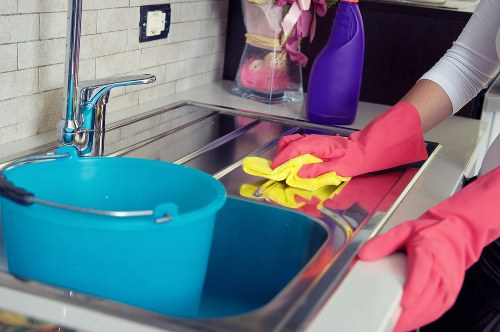
Every building has different requirements, so the service can be tailored around the layout, the level of use, and how often the space needs attention. We can create a regular cleaning schedule or arrange an ad hoc visit if the building needs a detailed reset.
Typical tasks may include dusting, vacuuming, mopping, sanitising touchpoints, litter removal, and general presentation cleaning. In buildings with lift access, bin stores, or shared entrance systems, the service can be expanded to cover the practical details that matter most to residents and visitors.
Common tasks often included:
- Vacuuming and mopping communal hallways, stairs, and landings
- Cleaning entrance mats and removing visible debris
- Wiping down handrails, bannisters, and door handles
- Cleaning internal glass, mirrors, and visible panels
- Dusting skirting boards, ledges, and communal surfaces
- Cleaning lift interiors and call buttons where applicable
- Emptying communal bins or litter points where agreed
- Spot-cleaning marks, spills, and fingerprints
- Cleaning communal notice boards or reception touchpoints
- Refreshing the overall appearance of shared spaces
Optional extras for specific buildings
Some Ealing properties also benefit from extra attention in areas such as cycle stores, bin rooms, caretaker cupboards, communal lounges, entrance vestibules, and shared laundry rooms. If your building has unique features, we can shape the cleaning plan around them.
How the service works
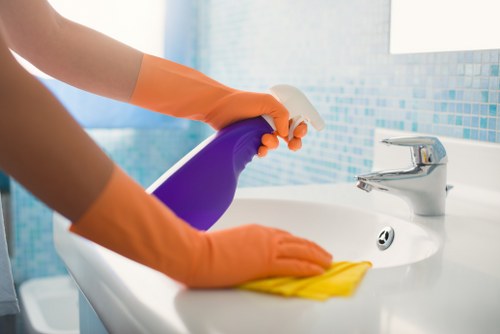
We keep the process straightforward so it is easy for managing agents, landlords, residents’ committees, and property managers to arrange. The aim is to make the building cleaner without creating extra hassle for the people responsible for it.
The first step is usually a discussion about the building, the number of communal areas, the frequency needed, and any specific concerns. For example, some properties need early morning cleaning before residents leave for work, while others need later visits to avoid peak foot traffic. In busy parts of Ealing, timing matters because limited parking, narrow access roads, and heavy local traffic can affect how a cleaning visit is planned.
After that, a cleaning schedule can be set up based on your building’s needs. This may be weekly, twice-weekly, fortnightly, or a more custom arrangement depending on occupancy and usage. For larger or busier developments, a structured service plan often works best because it helps keep standards consistent throughout the year.
A typical service process
- Discuss your building layout and cleaning priorities
- Identify any access, parking, or security requirements
- Agree tasks, frequency, and preferred visit times
- Carry out cleaning on the agreed schedule
- Review the service if your needs change
Book your service now if you want a cleaning plan that is tailored to the way your building is used rather than a one-size-fits-all approach.
Local knowledge makes a real difference

Choosing a local team for communal area cleaning in Ealing means working with cleaners who understand the area’s property mix and day-to-day challenges. Ealing includes everything from older mansion blocks and Victorian conversions to modern developments and commercial buildings with shared circulation areas. Each one needs a slightly different approach.
Parking and access are common concerns. Around busy roads, town-centre properties, and dense residential streets, it can be difficult to find unloading space or convenient waiting areas. A local provider is more likely to understand how to plan visits around those realities, reducing delays and helping the work run smoothly. That is especially useful near Ealing Broadway, West Ealing, and other areas where traffic and parking can be tight at certain times of day.
Local familiarity also matters for buildings with specific access controls. Some blocks use key fobs, entry codes, concierge arrangements, or limited service access. A trusted cleaning arrangement should respect that, work neatly with the building’s routines, and keep shared areas secure and undisturbed.
Areas commonly covered
Our communal cleaning services are typically arranged for properties in and around:
- Ealing Broadway
- West Ealing
- South Ealing
- Northfields
- Hanwell
- Acton borders
- Pitshanger
- Perivale
- Greenford nearby areas
We also work with buildings along busy residential and mixed-use corridors where there is regular footfall and shared access needs. If your property sits just outside Ealing but is part of the same local community, it is still worth enquiring.
What makes a good communal cleaning schedule?

The right schedule depends on how many residents use the building, whether there is a lift, how quickly dirt builds up, and the standard expected by the residents or property owners. A small block with limited foot traffic may only need a lighter routine, while a large apartment development or busy mixed-use site often needs a more frequent and detailed clean.
For many buildings, consistency is more important than occasional deep cleans. When communal spaces are cleaned regularly, small issues are dealt with before they become visible or unpleasant. That can include muddy footprints during rainy spells, spilled drinks, cobwebs, finger marks on glass, dust on skirting boards, and overflow around bins or recycling points.
Useful factors to consider when setting frequency:
- Number of flats or units in the building
- Foot traffic throughout the day
- Presence of lift shafts, lobby areas, or corridors
- Seasonal dirt from rain, leaves, and outdoor debris
- Whether bins are stored inside or outside shared areas
- Resident expectations and complaint history
- Any requirements from managing agents or landlords
Keeping standards steady
A clear checklist helps keep work consistent from one visit to the next. It also helps managers know what has been covered and where any problem areas are developing. If your building has recurring issues, such as dirty entrance mats or waste build-up in a particular corner, that can be included in the plan.
Benefits for residents, landlords, and managing agents
A dependable communal area cleaning service benefits different people in different ways. Residents get cleaner, more pleasant spaces to live in. Landlords and freeholders reduce the risk of complaints. Managing agents can show that the building is being looked after properly. In practical terms, everyone gains from a tidier and more hygienic shared environment.
For residents, the biggest benefit is comfort. Walking into a clean entrance and staircase makes daily life feel easier. It also helps with wellbeing, especially in buildings where people come and go at different times and spaces need to remain presentable throughout the week.
For those responsible for the property, regular cleaning supports a better standard of upkeep. It can make inspections less stressful and reduce the amount of reactive work needed later. When communal spaces are looked after consistently, there is less chance of dirt becoming ingrained, bad odours developing, or minor issues being ignored until they get worse.
Common reasons customers enquire
- The previous cleaning arrangement was unreliable
- Residents have raised concerns about shared areas
- A new building needs a regular cleaning plan
- The current standard is not being maintained
- A refurbishment has finished and the space needs attention
- The property manager wants a local team with flexible timing
Request a free quote if you are comparing options and want a service that can be matched to your building’s exact needs.
Communal cleaning for different property types in Ealing
Ealing has a wide range of building styles, and the cleaning approach should reflect that. A period conversion with narrow stairs is not the same as a modern apartment block with several floors, lifts, and shared amenity spaces. A mixed-use building with retail at ground level also needs a different approach to a quiet residential block.
Older buildings often need extra attention on stair rails, skirting, decorative surfaces, and tight corners where dust gathers. Newer developments can have more glass, polished surfaces, lift interiors, and high-traffic lobbies that show marks quickly. Shared entrances with parcel delivery traffic may need frequent attention to keep the area tidy and presentable.
Commercial customers in Ealing may also need communal cleaning for reception entrances, shared corridors, staff access routes, and washroom-adjacent spaces. These areas should look professional and be maintained in a way that supports day-to-day business operations without disruption.
Examples of building features that may need special care
- Carpeted stairwells
- Polished stone or tiled entrances
- Glass frontage and internal partitions
- Lift doors and control panels
- Shared bin stores and recycling rooms
- Basement access routes
- Communal mail areas
- Outdoor-to-indoor transition areas that collect grit
Preparation checklist for a smooth cleaning visit
Most communal cleaning visits are straightforward, but a little preparation helps everything run efficiently. If access is organised in advance and any special concerns are explained clearly, the cleaning team can work more effectively and focus on the most important areas.
For residents and property managers, this often means confirming how to enter the building, which areas are included, and whether there are any times when cleaning should not take place. Some properties prefer quieter morning visits, while others need work completed after peak resident movement or after refuse collections.
Before the visit, it helps to:
- Confirm entry instructions or access arrangements
- Remove personal items from shared areas where possible
- Highlight any fragile surfaces or restricted spaces
- Let the team know about recent repairs, spills, or stains
- Share any building rules about noise, timing, or security
- Make sure parking or unloading arrangements are clear if needed
Why this matters
Clear preparation reduces delays and helps avoid misunderstandings. It also makes it easier to keep the work safe and efficient, especially in properties with narrow corridors, shared entrances, or controlled access.
Pricing factors and what affects a quote
Every communal area cleaning quotation should be based on the actual building and the work required. It is not sensible to assume one flat rate suits every property, because the needs of a small two-storey conversion are very different from those of a larger apartment block with multiple access points and high footfall.
Common pricing factors include the size of the area, the number of floors, how often cleaning is required, the amount of detailing needed, and whether any specialist tasks are included. If there are lifts, basement corridors, bin rooms, or shared amenities, those can affect the amount of time needed on site.
Access matters too. If a building has difficult parking, restricted entry windows, or special security procedures, that may influence how the service is planned. A local provider with experience across Ealing is often better placed to account for these practical realities from the start.
Typical quote considerations
- Building size and layout
- Frequency of visits
- Scope of cleaning tasks
- Level of detail expected
- Access and parking arrangements
- Any additional areas like lifts or bin stores
- Whether the service is routine or one-off
Because each property is different, the most useful next step is to contact us today and request a tailored estimate based on your building and schedule.
Why choose a local company for communal area cleaning in Ealing
There are clear advantages to using a local team rather than a provider that treats every job the same. A local company is more likely to understand the building styles common in Ealing, the travel patterns around the area, and the practical issues that can affect reliable cleaning. That local awareness can make a noticeable difference to service quality.
Local teams are also often easier to schedule around your needs. If your building requires early access, evening visits, or a routine that avoids busy resident times, a nearby provider can usually respond more flexibly. That is helpful for both residential blocks and commercial properties that need minimal disruption.
Another important benefit is accountability. When the cleaning company is familiar with local expectations and the type of property being serviced, it is easier to maintain a consistent standard over time. This matters for shared buildings, where small details quickly become noticeable.
What customers value most
- Reliable visit times
- Clear scope of work
- Attention to high-touch areas
- Flexibility for different building types
- Understanding of local access and parking challenges
- Professional presentation in shared spaces
Frequently asked questions
How often should communal areas be cleaned?
That depends on how busy the building is and what type of property it is. Some blocks need weekly cleaning, while others benefit from twice-weekly or more frequent visits. Busy entrances, shared lifts, and high footfall corridors usually need more regular attention than small, low-traffic buildings.
Can the service be tailored to our building?
Yes. Most communal spaces need a tailored plan because the layout, surfaces, and usage patterns vary from one property to another. You can usually specify which areas matter most, whether that is hallways, stairs, lifts, bin stores, or entrance mats.
Do you clean both residential and commercial communal areas?
Yes, communal cleaning can be arranged for residential blocks, mixed-use buildings, offices, and properties with shared access routes. The tasks and timing can be adapted to suit the setting.
What if our building has difficult access or limited parking?
That is common in parts of Ealing, especially around busier roads and tighter residential streets. A local team can usually plan around access points, timing restrictions, and parking considerations to keep the visit efficient.
Can you help with one-off deep cleaning after work has been done?
Yes. If a building has just had repairs, decorating, refurbishment, or another project, a one-off clean can help restore the communal areas and remove dust, marks, and debris left behind.
What should we do before the first visit?
It is helpful to confirm access arrangements, highlight any sensitive areas, and let the team know what needs cleaning. If you have a list of priorities, that makes it easier to build a suitable service plan.
Book a communal area cleaning service that fits your building
If your shared areas need a better standard of care, we can help you arrange a practical and reliable cleaning schedule. From compact conversions to larger apartment blocks, from residential entrances to mixed-use developments, our Communal area Cleaning in Ealing service is designed around the way local properties actually work.
You may need regular maintenance, a one-off refresh, or a revised cleaning plan after the service you have now is no longer meeting expectations. Whatever the situation, the aim is the same: cleaner shared spaces, less hassle for those managing the building, and a better everyday experience for the people who use it.
Book your service now or request a free quote if you want a tailored plan for your property. A simple conversation is often enough to work out the right frequency, tasks, and access arrangements for your building.
Keeping communal areas clean is an ongoing responsibility, but it does not need to be complicated. With the right local support, your hallways, stairs, entrances, and shared spaces can stay tidy, presentable, and ready for daily use.
Ready to improve your shared spaces?
Contact us today to discuss your communal cleaning requirements in Ealing and take the first step toward a cleaner, more welcoming building.