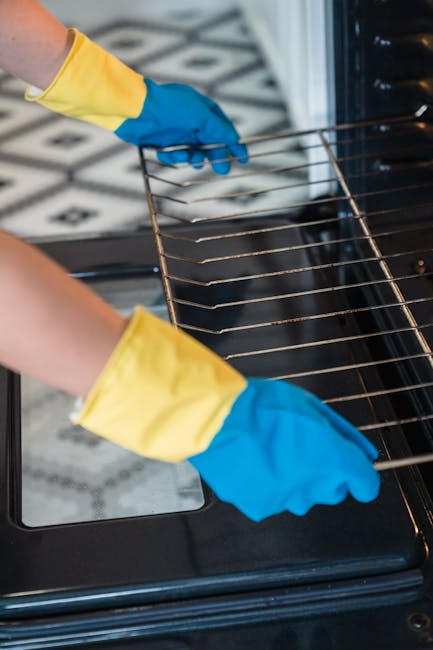
Oven Cleaning and Local Booking Slots Ealing Common
If your oven has started smoking a little when you heat it up, or the glass door looks permanently cloudy no matter how much you wipe it, you are not alone. Oven Cleaning and Local Booking Slots Ealing Common is really about two things at once: getting a proper deep clean for one of the hardest-working appliances in the home, and finding a booking time that fits real life in a busy part of West London. That matters more than it sounds. A good clean can make cooking feel easier again, reduce lingering smells, and save you from that all-too-familiar Sunday evening scrape-and-scrub routine.
In this guide, we will look at how the service works, when it makes sense, what to expect, and how to book wisely without ending up in a rush. There is practical detail here, not just the usual sales talk. To be fair, that is what people actually need.
Why Oven Cleaning and Local Booking Slots Ealing Common Matters
Oven cleaning is one of those household jobs that quietly gets harder the longer it is ignored. Grease builds up on the fan cover, carbonised food sticks to the base, and the racks end up with a rough, baked-on layer that does not budge with ordinary spray and a paper towel. If you cook often, especially roasting trays, bakes, or anything with fat splatter, the grime is not just cosmetic. It can affect smell, heat efficiency, and how pleasant the kitchen feels day to day.
The local booking side matters for a different reason: convenience. In Ealing Common, many households, flats, and small businesses operate on tight schedules. School runs, commuting, shift work, deliveries, and shared access arrangements all make flexible slots valuable. A cleaner may be excellent, but if the appointment windows are awkward, the whole thing becomes harder than it should be. Honestly, that is usually where the stress lives.
There is also a trust element. When you are booking a specialist clean locally, you want to know who is coming, what is included, and whether the visit will fit around your day without drama. That is why people often compare not only the cleaning method but the availability, communication, and transparency around the booking process.
Expert summary: good oven cleaning is not just about shine. It is about restoring a high-use appliance, reducing mess and smell, and choosing a booking slot that genuinely works for your household or rental schedule.
How Oven Cleaning and Local Booking Slots Ealing Common Works
A proper oven clean usually starts with a quick assessment. The cleaner checks the oven type, the level of build-up, whether there is a hob or extractor nearby, and whether any removable parts need separate treatment. That can include trays, shelves, side racks, doors, seals, and sometimes the top of the oven or surrounding splash zones. In homes around Ealing Common, kitchen layouts vary quite a bit, so a one-size-fits-all approach is rarely the best one.
The booking process is usually straightforward. You choose a suitable slot, confirm the address and access details, and mention any specific concerns. For example: heavy grease, burnt-on spills, an oven that has not been cleaned for a long time, or a need for a quieter time because someone is working from home. If the service offers local booking slots, that means the cleaner or team is planning appointments in the area, which can make timing more efficient and reduce gaps between jobs. Nice when it works like that.
During the visit, the cleaner may use specialist products and tools designed to break down grease safely, then remove residue by hand rather than relying on aggressive scrubbing alone. This tends to be more controlled and less damaging than a do-it-yourself attempt using the wrong abrasive pad. Some ovens also need more patience than muscle, which people discover the hard way at about 10 pm after an hour with a sponge.
After cleaning, the oven is usually checked for missed spots, smears, or residue around hinges, seals, and glass. Good providers leave the appliance ready to use once it has cooled down and any remaining moisture has been wiped away.
Key Benefits and Practical Advantages
There is a reason oven cleaning is one of the most satisfying jobs to outsource. You can see the difference immediately. But the value goes beyond the obvious before-and-after effect.
- Better cooking conditions: Less burnt residue means less smoke, less smell, and a cleaner space for preparing food.
- Improved appearance: A clean oven makes the whole kitchen feel fresher, even if the rest of the room is only lightly cleaned.
- Time saved: A deep clean can take far longer than expected if you try to do it properly on your own.
- More suitable for busy households: Local booking slots help you fit the appointment into a packed week without reshuffling everything.
- Useful for tenants and landlords: End-of-tenancy checks, move-ins, and pre-sale preparations often benefit from a properly cleaned oven.
- Less risk of damage: Using the wrong tools or harsh products can mark enamel, dull glass, or leave residue in tricky corners.
There is a smaller benefit that people do not always mention. A cleaned oven often changes how you feel about using the kitchen. You stop avoiding the grill. You stop putting off roast dinners. Small thing, but it matters.
For homes that also need broader support, a deep cleaning service can make sense alongside oven care, especially if grease has spread to nearby cupboards, tiles, or extractor areas. If the kitchen is only one part of the bigger picture, that joined-up approach usually gives better results.
Who This Is For and When It Makes Sense
Oven cleaning is not just for people with visibly filthy appliances. It is useful in a wide range of situations, including some that are easy to overlook.
- Busy families: If cooking happens daily, residue builds quickly and regular maintenance gets hard to keep up with.
- Renters moving out: A well-cleaned oven can be part of leaving the property in good order, especially when you want to avoid awkward disputes over standards.
- New tenants and homeowners: Moving into a place with a neglected oven is common enough. A reset makes the kitchen feel genuinely yours.
- Hosts and short-let operators: Turnarounds need efficiency. A clean oven helps keep the space guest-ready.
- Elderly residents or anyone with limited mobility: Deep oven cleaning is physically awkward, and sometimes not worth the strain.
- Small offices or workplaces with kitchenettes: Shared cooking spaces can become unpleasant very quickly if nobody owns the cleaning.
It also makes sense when the job has gone beyond a quick wipe. If smoke appears when the oven heats up, if trays are sticky after washing, or if there is a stale smell that lingers after cooking, that is usually a clue the appliance wants more than a surface clean.
If you are arranging cleaning for a move, you may also want to look at move-out cleaning or move-in cleaning so the whole property feels sorted rather than partly done. One job leads nicely into the next, and that is often the sensible way to handle it.
Step-by-Step Guidance
If you are booking oven cleaning locally in Ealing Common, the process is usually easier when you know what to prepare. Here is a simple, practical flow.
- Check the oven type. Is it single, double, range-style, built-in, or integrated with another appliance? Different designs mean different access points and cleaning times.
- Note the condition. Heavy grease, burnt spills, glass staining, loose racks, or damaged seals should be mentioned early. It saves awkward surprises later.
- Choose a local booking slot. Pick a time when someone can provide access, even if the cleaner is working independently and does not need much intervention. It sounds obvious, but people forget.
- Clear the surrounding area. Remove food, pans, chopping boards, and anything fragile from nearby surfaces. You want the cleaner to work safely and efficiently.
- Ask what is included. A proper service should explain whether shelves, doors, glass, knobs, and seals are part of the job. Transparency matters.
- Give access details. Flat entry, buzzer instructions, parking limitations, or time-restricted access in Ealing Common should be shared in advance.
- Let the cleaner work methodically. Good results usually come from patience, soaking, careful agitation, and a final polish rather than force.
- Inspect the result. Once finished, check the corners, racks, glass, and handles. If anything needs a final touch, say so then and there.
That last step is worth doing properly. Not in a nit-picky way, just in a human way. You are allowed to ask for a bit of extra care if something has been missed.
Expert Tips for Better Results
Here is where a bit of experience helps. Small things change the outcome more than you might think.
- Book before the oven gets unbearable. Heavily baked-on residue takes longer and may need more intensive work.
- Combine services if it makes sense. If your kitchen or property needs broader attention, a one-off cleaning service can help cover the wider mess at the same time.
- Be honest about the state of the oven. Nobody benefits from understating the build-up. It only affects timing and expectations.
- Plan around heat and drying. Right after a clean, some surfaces may need a little cooling or wiping. Leave a small buffer before you cook again.
- Keep up with light maintenance. A ten-minute wipe after heavy cooking can save you from a much bigger job later.
- Think about nearby surfaces. If the cooker hood or splashback is grimy too, say so before the visit. Grease travels. It always does.
One small but useful habit: if you roast a lot, line trays properly and empty crumbs sooner rather than later. It sounds almost too simple, yet it makes a surprising difference.
For larger homes, a broader house cleaning plan can keep the kitchen from becoming the weekly headache room. Truth be told, most people do better with prevention than with heroic scrubbing sessions.
Common Mistakes to Avoid
There are a few patterns that show up again and again. Avoiding them can save you time, money, and an annoying re-clean.
- Booking too late in the day: If you want the clean done before cooking dinner, do not choose a slot that leaves you no breathing room.
- Not mentioning damage or faults: Loose door seals, broken lights, or worn hinges should be flagged early.
- Using harsh abrasives beforehand: People sometimes scratch the glass trying to "help". That usually makes the finish worse.
- Assuming every oven is the same: Some need more time, some are easier, and some include awkward spots that take proper care.
- Ignoring the rest of the kitchen: If grease has spread to the extractor or cupboards, cleaning only the oven can feel half-finished.
- Choosing the slot without checking access: In local areas, parking and entry details really can affect punctuality.
A lot of frustration comes from expectations, not the cleaning itself. Once the scope is clear, the whole thing becomes much smoother. And less grumpy. Which helps everyone.
Tools, Resources and Recommendations
You do not need to buy specialist equipment to prepare for an oven clean, but it helps to know what tends to be used and why. Professional cleaners often rely on a mix of safe degreasers, scrapers designed for stubborn residue, cloths, non-abrasive pads, and protective materials for surrounding areas. The point is control, not brute force.
If you are arranging cleaning as part of a larger home refresh, these related services may be useful:
- domestic cleaning for ongoing home care
- deep cleaning for more intensive resets
- end of tenancy cleaning when you need a property brought back to a strong standard
- after builders cleaning if renovation dust has drifted into the kitchen
If appliances are not the only issue, some households also benefit from window cleaning, carpet cleaning, or even regular cleaning to keep the whole place feeling under control rather than piecemeal. That mix depends on the home, of course. No two kitchens are exactly alike.
Practical recommendation: if your oven smells smoky when you preheat it, or the door glass hides the food inside like a fogged-up bus window, it is probably time to book rather than wait another month.
Law, Compliance, Standards, or Best Practice
For domestic oven cleaning, the main thing is not a complex legal framework but sensible, professional best practice. In the UK, cleaners should work carefully, communicate clearly, and use products and methods appropriate to the surfaces involved. That means being cautious with strong chemicals, protecting floors and surrounding surfaces, and not leaving slippery residue behind.
If you are booking a company or independent cleaner, it is reasonable to look for evidence of good practice around safety, insurance, and customer care. A trustworthy provider should be able to explain how they handle access, accidental damage concerns, and general safety in the home. It is also sensible to check service terms and conditions before confirming a visit, especially if you are booking for a rental property or a time-sensitive move.
Where homes involve children, pets, shared entries, or limited ventilation, extra care matters. Open a window if needed, keep pets out of the kitchen while the work is taking place, and follow any guidance about cooling or airing the appliance afterwards. Small steps, but they count.
You can also look for evidence that the business takes customer information, payments, and safety seriously through pages like insurance and safety, payment and security, and terms and conditions. That is not bureaucracy for the sake of it. It is just a decent sign the provider is organised.
Options, Methods, or Comparison Table
Not every oven clean needs the same approach. The best method depends on how dirty the appliance is, how much time you have, and whether you want a quick spruce-up or a deeper restoration. Here is a simple comparison.
| Method | Best for | Pros | Limitations |
|---|---|---|---|
| Light manual clean | Recent spills and light surface grease | Quick, low-cost, useful between deeper cleans | Won't remove heavy carbon build-up |
| Professional oven cleaning | Built-up grease, glass staining, neglected ovens | More thorough, safer for tricky parts, saves time | Needs a booking slot and access to the home |
| Combined kitchen refresh | Oven plus nearby surfaces, cupboards, and floors | More complete result, better for move-related cleaning | Usually takes longer and may cost more overall |
| Scheduled regular cleaning | Busy homes that want to stay on top of mess | Prevents heavy build-up, easier to maintain | Won't replace the need for occasional deep work |
In many homes, the right answer is not one method forever. It is a mix. A proper deep clean once in a while, then regular upkeep. That balance is usually the sweet spot.
Case Study or Real-World Example
Here is a simple real-world scenario. A couple in Ealing Common had just come back from a week away and realised their oven had been slowly getting worse for months. They cooked often, loved roasting vegetables and tray bakes, and had simply let the cleaning slide. The first clue was the smell: a slightly sharp, burnt note every time the oven heated up. Nothing dramatic, just enough to be annoying.
They booked a local slot for a mid-morning appointment, which worked well because one person could open up before heading to work and the other could stay home until the clean was finished. The cleaner checked the racks, glass, and door seals, and explained which areas would need the most attention. The job took longer than a wipe-down would have, naturally, but the result was obvious as soon as the oven cooled. The glass looked clear again. The smell dropped away. The kitchen felt less "we should really sort that out" and more like a room people wanted to use.
What made the difference was not magic. It was timing, clarity, and a slot that fit their day. Funny how often that is the deciding factor.
Practical Checklist
Use this before your appointment so the visit runs smoothly.
- Confirm the oven type and any unusual features
- Note heavy build-up, smoke, smell, or damaged parts
- Choose a booking slot with enough time around it
- Share entry, parking, and access details in advance
- Clear nearby counters and floor space
- Keep pets and children away from the work area
- Ask what is included in the clean
- Check whether shelves, glass, door seals, and racks are covered
- Inspect the result before the cleaner leaves
- Save any care advice for next time
If you are also managing a larger home project, it can help to pair the appointment with another service such as house cleaning or deep cleaning. That way you do not keep bumping separate tasks into next week. We have all done that. More than once, probably.
Get a free quote today and see how much you can save.
Conclusion
Oven Cleaning and Local Booking Slots Ealing Common is really about making a stubborn chore feel manageable. The cleaning itself restores the appliance, but the local booking side is what makes the whole thing easy to act on. That combination matters if you are busy, moving home, hosting guests, or simply tired of looking at stubborn grease every time you open the door.
The best results usually come from being clear about the oven's condition, choosing a sensible slot, and using a provider that communicates well. Nothing flashy. Just a clean, practical arrangement that saves time and gives your kitchen a better feel. And honestly, there is something quietly satisfying about a properly cleaned oven. You notice it every time you cook.
Whether you are sorting a one-off job or planning a wider home refresh, the right booking at the right time can make a real difference. A small improvement, sure. But sometimes small improvements are the ones you live with every day.
Frequently Asked Questions
How often should I book oven cleaning in Ealing Common?
That depends on how often you cook. Busy households often need a professional clean a few times a year, while lighter-use ovens may only need it less often. If you notice smoke, smells, or visible build-up, do not wait too long.
What does a professional oven clean usually include?
It often includes the interior cavity, racks, trays, door glass, and removable parts. Some providers also clean around the hinges, seals, knobs, and certain exterior areas. Always check what is included before booking.
Can I book a local slot at a convenient time?
Yes, that is one of the main advantages of using a local service. Local booking slots can be easier to fit around school runs, work, and access arrangements. If you need a specific window, ask early.
Is oven cleaning safe for all oven types?
Most standard domestic ovens can be cleaned safely when the right methods are used. That said, it is sensible to mention any unusual features, integrated appliances, self-cleaning functions, or visible damage before the visit.
How long does an oven clean take?
It varies depending on the oven type and the amount of grime. A light job may be relatively quick, while a heavily used oven can take much longer. If the build-up is thick, patience is part of the process.
Do I need to empty the oven before the cleaner arrives?
Yes, it helps to remove food, pans, baking trays, and anything stored nearby. The cleaner may need access to shelves or removable parts, and clearing the area makes the visit smoother.
Will the oven smell after cleaning?
There may be a faint cleaning smell at first, but it should not be harsh or lingering. If the oven has been very dirty, some odour may remain briefly while everything airs out. A good clean usually improves smell rather than worsening it.
Is professional oven cleaning better than doing it myself?
For heavy grease and long-neglected ovens, yes, usually it is. Professional cleaning saves time and reduces the risk of scratching glass or damaging surfaces. For very light dirt, a simple home clean may be enough.
Can oven cleaning be combined with other services?
Often, yes. It can make sense to combine it with services like one-off cleaning, end of tenancy cleaning, or broader domestic cleaning if the property needs more than one task completed.
What should I look for before confirming a booking?
Look for clear communication, a sensible slot, information about what is included, and signs that the provider takes safety and payment handling seriously. It is also wise to review the service terms and insurance information.
Does local booking matter if the price is good?
Yes, because convenience affects whether you will actually use the service without stress. A fair price is great, but if the appointment slot is awkward or access is complicated, the job becomes harder than it needs to be.
What if my oven is in very bad condition?
Be upfront about that when you book. A heavily neglected oven may need extra time and a more intensive approach. It is better to be honest early than to underbook and rush the work.